
How Automated Trading is Transforming Financial Markets
Crypto Market Security and Integrity
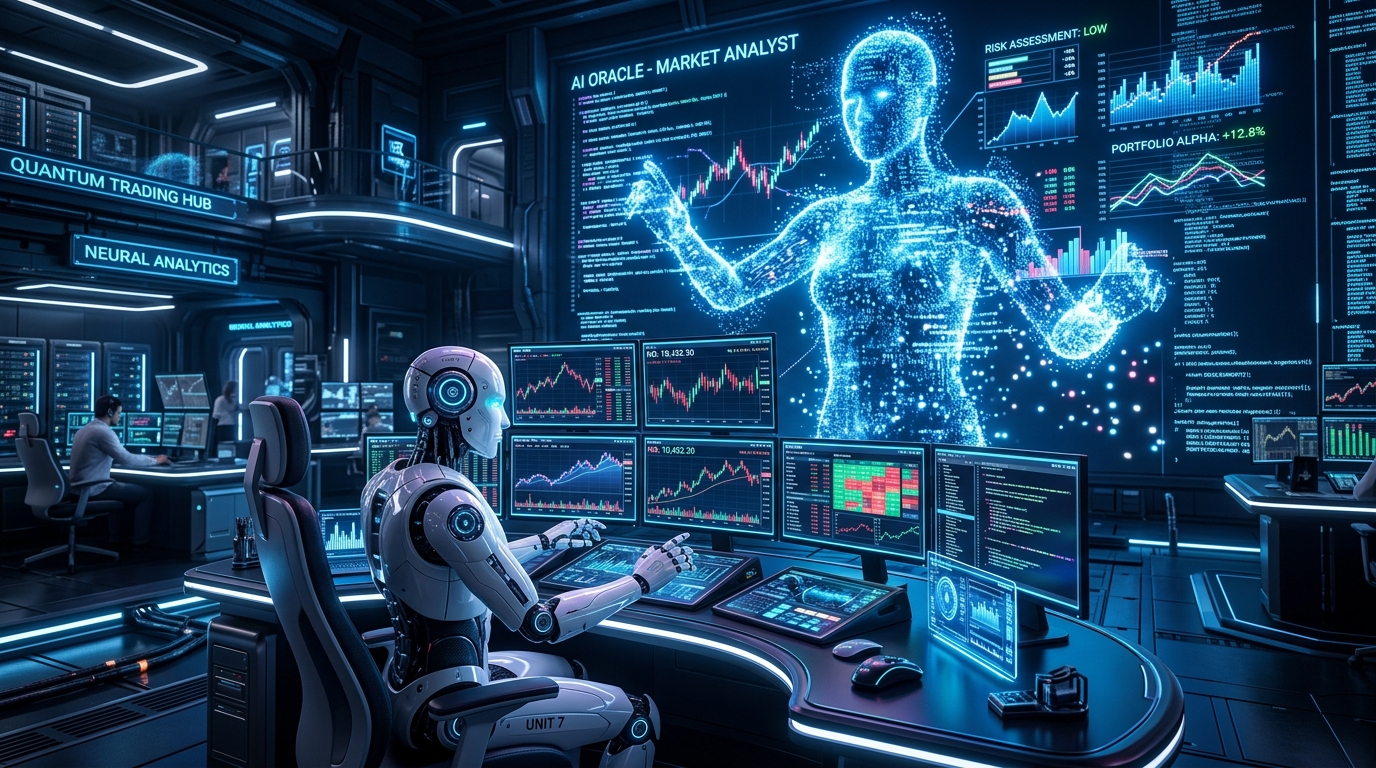
वित्तीय बाजारों में स्वचालन तेजी से व्यापार करने के तरीके को बदल रहा है। एल्गोरिदम आधारित व्यापार से लेकर जटिल मशीन-लर्निंग मॉडलों के विकास तक, स्वचालित व्यापार प्रणाली संस्थागत और खुदरा व्यापारियों दोनों के लिए अनिवार्य बन गई हैं। इस लेख में, हम देखेंगे कि कैसे स्वचालित व्यापार वित्तीय बाजारों को बदल रहा है, इसकी प्रमुख तकनीकें, रणनीतियाँ, लाभ, चुनौतियाँ, और इस क्रांति के चारों ओर नैतिक विचार क्या हैं।
स्वचालित व्यापार का परिचय
स्वचालित व्यापार का तात्पर्य कंप्यूटर सिस्टम के उपयोग से है जो पूर्व-प्रोग्राम किए गए एल्गोरिदम के आधार पर मानव हस्तक्षेप के बिना व्यापार निष्पादित करते हैं। ये सिस्टम वास्तविक समय में बाजार डेटा का विश्लेषण करते हैं और ऐसे निर्णय लेते हैं जिनकी गति और सटीकता मानव व्यापारियों के मुकाबले बेजोड़ होती है। स्वचालित व्यापार का इतिहास 1970 के दशक के अंत में सरल नियम-आधारित प्रणालियों से शुरू हुआ, जो अब कृत्रिम बुद्धिमत्ता (एआई) और मशीन लर्निंग को शामिल करने वाले जटिल प्लेटफार्मों में विकसित हो चुका है।
स्वचालित व्यापार में प्रौद्योगिकी की भूमिका
Technological advancements have been pivotal in the evolution of automated trading in India. The integration of artificial intelligence and machine learning enables trading platforms to learn and adapt, recognizing trends and fine-tuning strategies over time. High-frequency trading (HFT) has transformed the landscape by executing numerous trades in fractions of a second, capitalizing on tiny price variations. Furthermore, the advent of cloud computing, extensive data analytics, and enhanced network capabilities allows traders to implement these algorithms worldwide, engaging with financial markets around the clock with minimal delays.
Understanding the Mechanisms of Automated Trading Systems
Automated trading systems operate on algorithms—comprehensive sets of rules and directives crafted in various programming languages. These systems can vary significantly, from straightforward rule-based approaches, such as buying when a cryptocurrency hits a specific threshold, to sophisticated AI-enhanced models that analyze past data to forecast future price fluctuations.
Categories of automated trading systems include:
- Rule-Based Trading Systems: Facilitate trades based on established, specific criteria.
- AI-Enhanced Trading Solutions: Evolve and refine trading decisions by harnessing vast datasets, ensuring optimal performance over time.
- Integrated Trading Models: Merge traditional rule-based methods with AI capabilities to boost trading efficacy and outcomes.
- blog_three_question_4.subtitle_4: blog_three_question_4.desc_4
Varieties of Automated Trading Approaches
Each approach employs advanced algorithms, necessitating meticulous calibration and thorough risk assessment.
Automated trading employs various strategies tailored to market dynamics and specific objectives. Some widely recognized methods include:
- Arbitrage Techniques: These take advantage of the price discrepancies that exist between different markets or trading platforms.
- Momentum Trading Approaches: These concentrate on capitalizing on prevailing market trends, purchasing as prices escalate and divesting as they decline.
- Mean Reversion Tactics: Leverage the expectation that asset prices will return to their average following substantial fluctuations.
- Liquidity Provision Techniques: Earn from the difference between buying and selling prices by executing concurrent buy and sell transactions.
Advantages of Automated Trading Systems
Unlock the Future of Trading with Crest Vaultshire In today's fast-paced world, crypto trading offers a unique opportunity to diversify your investment portfolio. With Crest Vaultshire, you can seamlessly access a wide range of cryptocurrencies, enabling you to capitalize on market trends and fluctuations. Our user-friendly platform is designed for both beginners and seasoned traders, making it easy to buy, sell, and trade digital assets. Imagine the potential of earning passive income through strategic investments in cryptocurrencies. With 24/7 market access, you can trade at your convenience, whether you're on a lunch break or relaxing at home. Plus, our advanced analytics tools help you make informed decisions, allowing you to stay ahead of the curve. Join a community of like-minded individuals who are exploring the exciting world of crypto trading. With Crest Vaultshire, you're not just investing; you're becoming part of a financial revolution that’s shaping the future. Get started today and see how you can take advantage of this digital gold rush!
Automated trading presents numerous benefits compared to traditional methods. Notable advantages include:
- गति और दक्षता: कंप्यूटर मानवों की तुलना में तेजी से व्यापार कर सकते हैं, अवसरों का लाभ उठाते हुए जो जल्दी समाप्त हो सकते हैं।
- मानव त्रुटियों में कमी: स्वचालित प्रणाली भावनात्मक निर्णय लेने और संज्ञानात्मक पूर्वाग्रहों को समाप्त करती है, जिससे परिणाम अधिक स्थिर होते हैं।
- 24/7 बाजार पहुंच: ये प्रणालियाँ निरंतर कार्य कर सकती हैं, यह सुनिश्चित करते हुए कि व्यापारी कभी भी बाजार के अवसर से चूक न जाएं।
- परख और अनुकूलन: व्यापारी अपने रणनीतियों को लागू करने से पहले ऐतिहासिक डेटा का उपयोग करके उनका परीक्षण कर सकते हैं, प्रदर्शन को बेहतर बनाने और जोखिम को कम करने के लिए।
स्वचालित व्यापार के जोखिम और चुनौतियाँ
Unlock the Future of Trading with Crest Vaultshire In today's fast-paced digital world, crypto trading offers unparalleled opportunities for growth and investment. With Crest Vaultshire, you can tap into a market that never sleeps, allowing you to trade anytime, anywhere. Imagine diversifying your portfolio with a wide range of cryptocurrencies, from Bitcoin to emerging altcoins, all at your fingertips. Our user-friendly platform is designed for both beginners and seasoned traders. You can easily track market trends, analyze data, and make informed decisions to maximize your returns. Plus, our advanced security measures ensure that your investments are safe and sound. Join a community of like-minded individuals who are passionate about the future of finance. With Crest Vaultshire, you can benefit from expert insights, educational resources, and real-time support. Don't miss out on the chance to be part of this revolutionary financial movement. Start trading today and watch your investments grow!
जबकि स्वचालित व्यापार कई लाभ प्रदान करता है, यह जोखिमों से भी मुक्त नहीं है। प्रमुख चुनौतियों में शामिल हैं:
- बाजार की अस्थिरता के जोखिम: Automated trading platforms can heighten market instability, particularly during unpredictable events, where swift and extensive sell-offs can spiral into chaos.
- Market Turmoil: In 2013, a sudden algorithmic trading incident caused a dramatic drop in stock prices, erasing substantial wealth in mere moments.
- Systemic Glitches: Technical malfunctions, system downtimes, or programming flaws can lead to considerable monetary damages.
- blog_three_question_7.subtitle_4: blog_three_question_7.desc_4
The Influence of Automated Trading on Indian Financial Markets
स्वचालित व्यापार ने बाजार की तरलता और दक्षता में महत्वपूर्ण वृद्धि की है। यह तेजी से और अधिक बार व्यापार करने की अनुमति देकर, संपत्ति वर्गों में तरलता को बेहतर बनाता है। हालाँकि, मानव व्यापारियों की भूमिका घटती जा रही है, क्योंकि मशीनें पहले मैन्युअल रूप से किए जाने वाले कार्यों को संभाल रही हैं, जिससे वित्तीय क्षेत्र में नौकरी के बाजार का स्वरूप बदल रहा है।
विभिन्न संपत्ति वर्गों में स्वचालित व्यापार
स्वचालित व्यापार प्रणाली बहुपरकारी हैं और विभिन्न बाजारों में कार्य करती हैं, जिनमें शामिल हैं:
- शेयर: शेयर व्यापार एल्गोरिदम सबसे विकसित में से एक हैं, जिसका उपयोग हेज फंड और व्यक्तिगत व्यापारियों दोनों द्वारा किया जाता है।
- विदेशी मुद्रा: Automated trading solutions have transformed the cryptocurrency landscape, swiftly adapting to market fluctuations and news events.
- Commodities Trading: The commodities sector, ranging from precious metals to energy resources, thrives on algorithmic trading strategies that capitalize on price discrepancies.
- Cryptocurrency Trading: The dynamic nature of crypto markets, operating around the clock, makes them ideal for automated trading systems that can react instantly to market shifts.
Navigating Regulatory Hurdles
Automated trading regulation is vital for maintaining market integrity in India. Authorities such as SEBI are actively formulating guidelines to manage excessive volatility and enhance transparency. However, as AI technologies evolve, regulators encounter the daunting task of adapting to these advancements. Ethical issues are also prominent, particularly regarding algorithmic market manipulation.
How Institutional Investors Utilize Automated Trading Strategies
Institutional investors, including mutual funds and proprietary trading entities, significantly depend on automated trading methodologies to secure competitive advantages. Quantitative analysts, known as 'quants', craft intricate algorithms that harness vast datasets, AI, and machine learning, enabling them to surpass conventional trading techniques. Many successful funds attribute their achievements to these automated approaches.
Automated Trading Opportunities for Retail Traders
The latest innovations have made automated trading accessible to retail traders across India. Platforms such as Zerodha and Upstox provide seamless access to trading bots, while social trading networks enable users to mimic the strategies of successful traders. Retail investors can also create or acquire personalized trading bots to streamline their trading processes.
The Evolution of Automated Trading
As artificial intelligence and machine learning advance, the complexity of automated trading systems will also increase. The nascent field of quantum computing promises to transform trading by analyzing vast datasets at unprecedented speeds. In the coming years, we anticipate that automation will play an even larger role in financial markets, minimizing the reliance on human decision-making.
Ethical Aspects of Automated Trading Practices
Transparency is essential for maintaining fairness in automated trading environments. It is crucial to design algorithms that thwart market manipulation while providing equal access to trading opportunities. Striking a balance between the advantages of automation and the necessity for ethical conduct in the markets remains a significant challenge for both regulators and traders.
Insights from Automated Trading Incidents
- 2010 Flash Crash Analysis: This incident underscored the risks associated with automated trading systems, as algorithms ignited widespread sell-offs that led to a dramatic market decline within moments.
- Inspirational Journeys: Investment firms like Quant Capital and Alpha Wave have harnessed advanced algorithms to consistently surpass market expectations, redefining standards in finance.
Common Inquiries (CQs)
- 1. What is algorithmic trading? Algorithmic trading involves the deployment of computer programs to carry out trades automatically, minimizing human involvement.
- 2. What distinguishes high-frequency trading from traditional trading? High-frequency trading entails executing numerous transactions within seconds, leveraging minimal price fluctuations for profit.
- 3. Is automated trading completely devoid of risks? Not at all; although automated trading minimizes human errors, it remains susceptible to risks like system malfunctions and market unpredictability.
- 4. Can individual investors access automated trading systems? Absolutely, many platforms cater to individual investors, enabling them to develop or implement automated trading methods.
- 5. What measures do regulators take to oversee automated trading? Regulatory authorities employ a range of oversight mechanisms, including advanced surveillance technologies and structured regulatory frameworks.
- 6. Which technologies are essential for automated trading systems? Essential technologies comprise artificial intelligence, deep learning, cloud infrastructure, and ultra-fast internet connectivity.
Conclusion: The Transformative Journey of Financial Markets Through Automation
Automated trading is revolutionizing financial markets by enhancing operational efficiency, expediting trade execution, and enabling more complex strategies. As advancements in AI, machine learning, and quantum computing progress, the future of automated trading will hinge on its capacity to innovate while upholding market integrity.